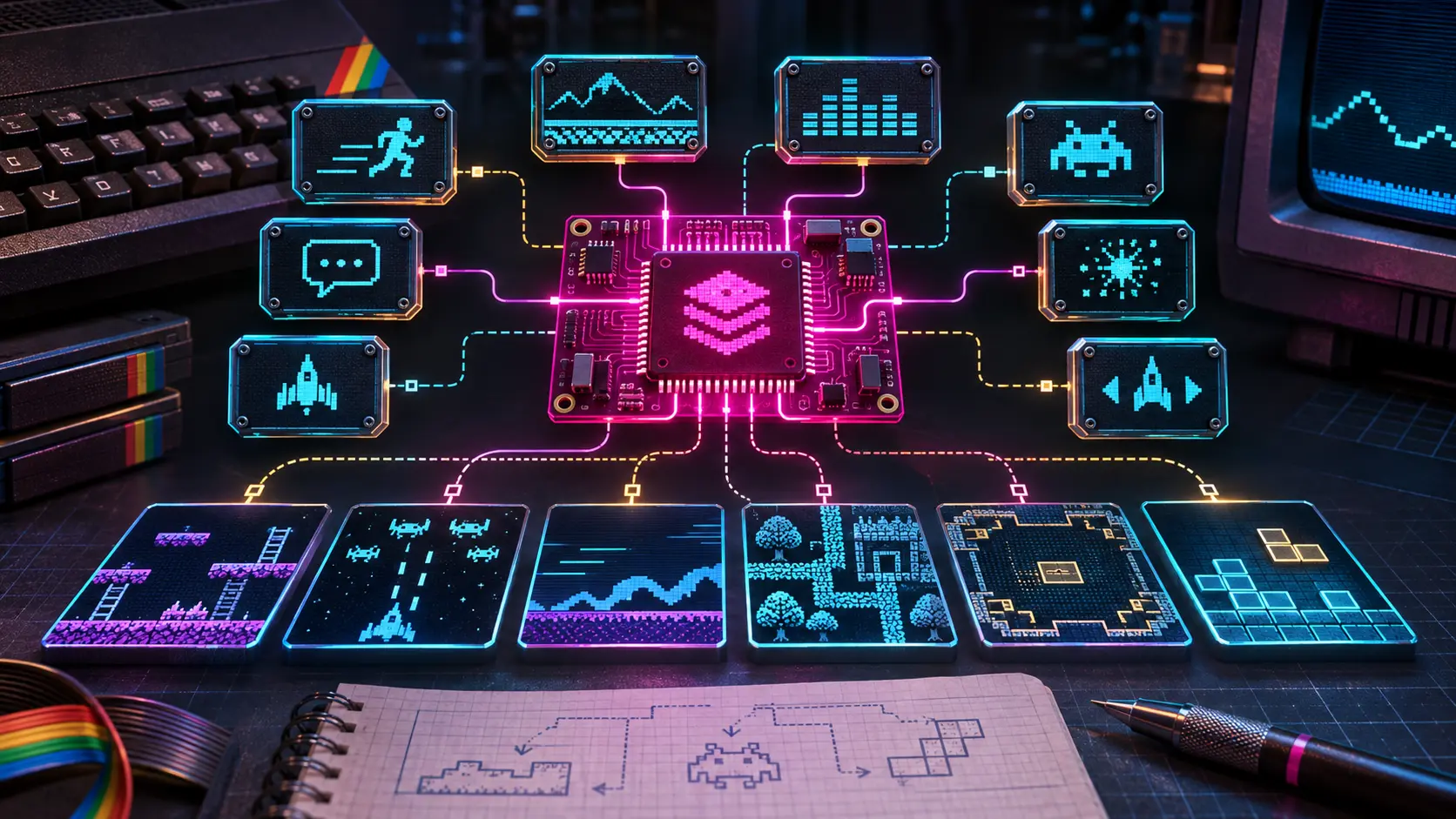
The driver projects are intended to let a NextBASIC game choose specialist help without handing over the game itself. Different genres need different combinations, and the most important part is not how many services can be installed. It is whether every service has a clear job, whether the game understands the events it receives and whether the proposed combination has actually been tested.
playerControl V1.0 is available from the Downloads shelf and its platform movement has been tested on the Next. scrollingControl B4C4A proved eight-direction scrolling, four camera modes and three map sizes at 50 Hz and 60 Hz. B4C4B Stage 3 adds a verified bank-allocation test. audioControl has played a full mono track from SD on KS3, and speechControl has spoken a test phrase. Wider playerControl V2 cooperation, shipControl, enemyControl, particleControl, uiControl and vectorControl remain at different stages of design.
The ten original illustrations are concept mockups of games that could be built. They were drawn on a 320 × 256 pixel grid and enlarged without smoothing. Each example explains what the game would ask of its four drivers and which parts still need a working demonstration.
Keep the game rules in NextBASIC
A driver should own its specialist mechanism. NextBASIC should own the rules that make one game different from another. playerControl can resolve movement and report a completed fall; BASIC decides whether that fall costs a life. A ship driver may eventually report that a projectile hit; BASIC decides the score, damage consequence, explosion sequence and respawn.
The same boundary applies to presentation. BASIC can map an accepted hit to an audio request, a particle burst and a change in the interface. audioControl owns playback, particleControl would own the visual effect and uiControl would present the authoritative value supplied by the game. None of those services should independently deduct health because they noticed the same event.
Clear ownership prevents double work and conflicting decisions. It also makes a missing optional service survivable: the game rule can still happen if a sound or visual effect is unavailable.
Single-screen platformers
A single-screen platform game needs a relatively small combination. The hardware-tested playerControl V1.0 foundation can handle configured walking, sprinting, jumping, gravity, ladders, animation and completed-fall reporting. NextBASIC supplies the room, collision information, score, lives, enemies and the consequences of the reported movement.
audioControl could be asked to play a jump, landing or pickup sound after the game accepts the event. A future particleControl effect might add dust to a hard landing, but it should not decide whether that landing was dangerous. A planned enemyControl service could manage patrol or pursuit behaviour whilst BASIC remains authoritative for contact damage and rewards.
A useful event chain would be: playerControl reports a completed fall; BASIC compares the distance with the room’s safe limit; if it is dangerous, BASIC changes the player state and requests the chosen sound and presentation. Only the movement report is established by the current playerControl baseline. The wider chain still needs an integration example.
Scrolling platformers
A scrolling platformer adds world and camera responsibilities. The proposed boundary is that scrollingControl owns the camera, world positions, terrain and environmental information. playerControl consumes the relevant geometry or forces and resolves the player’s final movement and collisions. BASIC decides level progression, hazards, collectibles and game state.
That separation matters when a moving platform or slope is involved. The world service can describe the surface and its motion without directly moving the player. The player service can incorporate that information without taking control of the camera. A boundary event should report arrival once, rather than firing every frame while the player remains pressed against the edge.
scrollingControl's B4C4A prototype has already proved fast pixel-level scrolling in all eight directions, Manual, Follow, Auto-scroll and Scripted camera modes, and 100×100, 80×64 and 64×48 maps on real hardware. It remains an active prototype rather than a V1.0 release. Two newer B4C4B Stage 3 diagnostics have verified map-bank allocation and integrity. Integrating that banked reader with scrolling, terrain, environmental information and playerControl remains engineering work. The first convincing combined demonstration should therefore be small: one player, one camera rule, one world boundary and clean stop and restart behaviour before a full level is added.
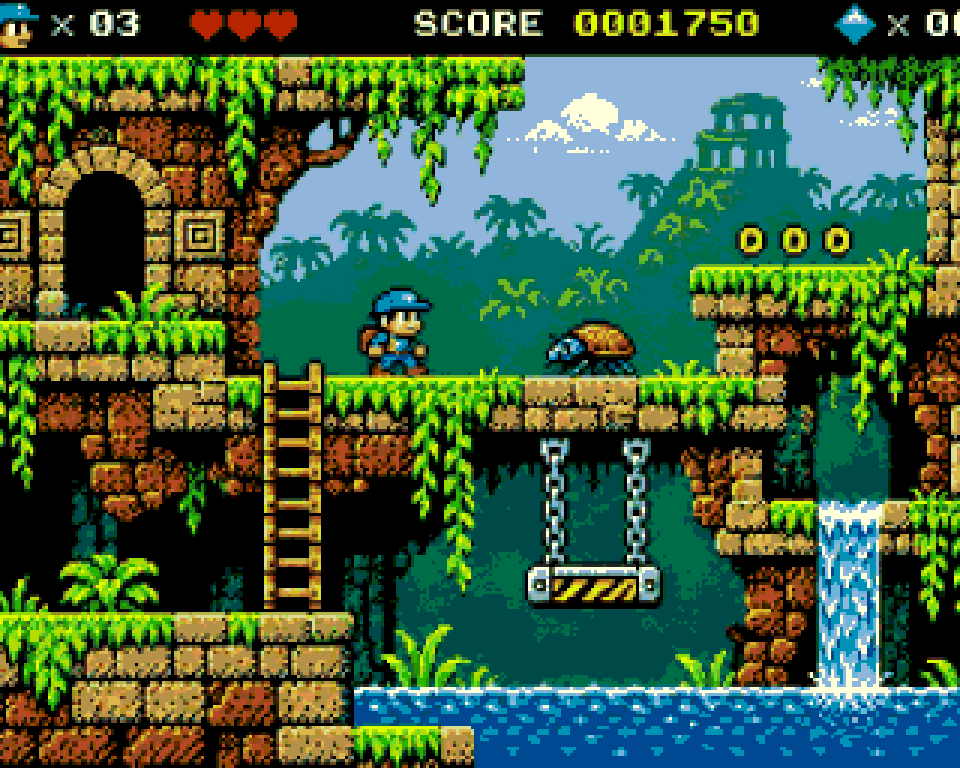
Side-scrolling platformer
playerControl scrollingControl audioControl particleControl
The explorer can climb down to a lower ledge or jump the gap above the waterfall. A missed landing matters only once the game has measured the fall and applied the room’s rules.
playerControl resolves the jump, ladder and landing. scrollingControl keeps the world and camera aligned. When BASIC accepts a landing, it can ask audioControl for a thud and particleControl for a puff of dust. Both cues then describe the same landing.
V1.0 supplies the platform movement. Sharing world geometry with the scrolling prototype and emitting the particle effect are proposed integration work.
Horizontal and vertical shoot-em-ups
The proposed shoot-em-up combination centres on shipControl for free flight, aiming, projectile weapons and deployable modules. scrollingControl would provide the moving world and camera, while enemyControl would eventually own enemy movement, awareness and attack choices. audioControl and particleControl could present firing, hits and explosions selected by the game.
Consider a player shot. shipControl would accept or reject the firing request according to its weapon state and report the outcome. BASIC would spend no game-owned reward unless the shot was accepted. A later collision report could identify a hit; BASIC would decide score, enemy health consequences and whether to request sound, particles or a screen response.
shipControl’s first-version design is agreed, but its movement, weapons and modules are not a coded or hardware-tested release. Equivalent 50 and 60 Hz behaviour is a requirement, not a demonstrated result. The genre combination is therefore a development blueprint rather than a package that can currently be installed.
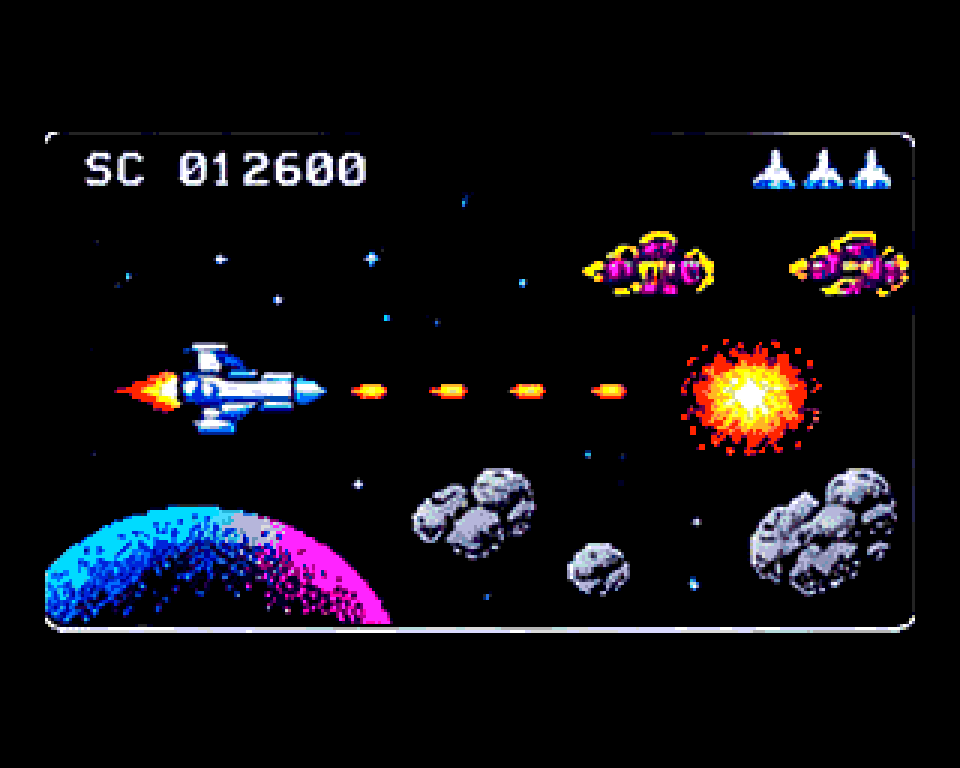
Horizontal shoot-’em-up
shipControl scrollingControl particleControl audioControl
Fly through a moving asteroid field and fire ahead of the ship. BASIC controls enemy arrivals, scoring and what survives a hit.
shipControl would supply flight, weapon state and shot reports. scrollingControl would advance the world independently of the ship. Once BASIC accepts a hit, particleControl could draw the debris and audioControl play the impact, leaving the game to award the score once.
The camera has a tested auto-scroll mode. Ship weapons, particle bursts and their timing together are designs. A vertical shooter could use the same boundary with a different scroll axis.
Endless runners
An endless runner can use a narrower movement service than a general platformer. playerControl could retain jump, gravity, landing and collision behaviour while BASIC or the world service keeps the course advancing. Input might be limited to jump, duck or a small horizontal range, but the driver boundary remains the same.
scrollingControl's prototype proves camera movement across externally prepared worlds; procedural course generation and cooperation with another movement driver are not part of that evidence. In a future runner it could own the world position and camera movement. enemyControl might provide obstacle or pursuer behaviour, and audioControl could respond to milestones chosen by BASIC. A boundary or obstacle report should describe what happened; it should not increase the score or decide that a run has ended.
The useful first example would prove cadence and reset behaviour over a long repeatable run. It should test the transition from playing to failure and back to a clean start, rather than treating continuous movement for a few seconds as complete integration.
Racing on a scrolling circuit
A runner only needs to know how far the course has advanced. A race also needs to know which checkpoints each competitor has crossed. Two craft can sit side by side on screen and still be a lap apart, so the camera position alone cannot give the standings.
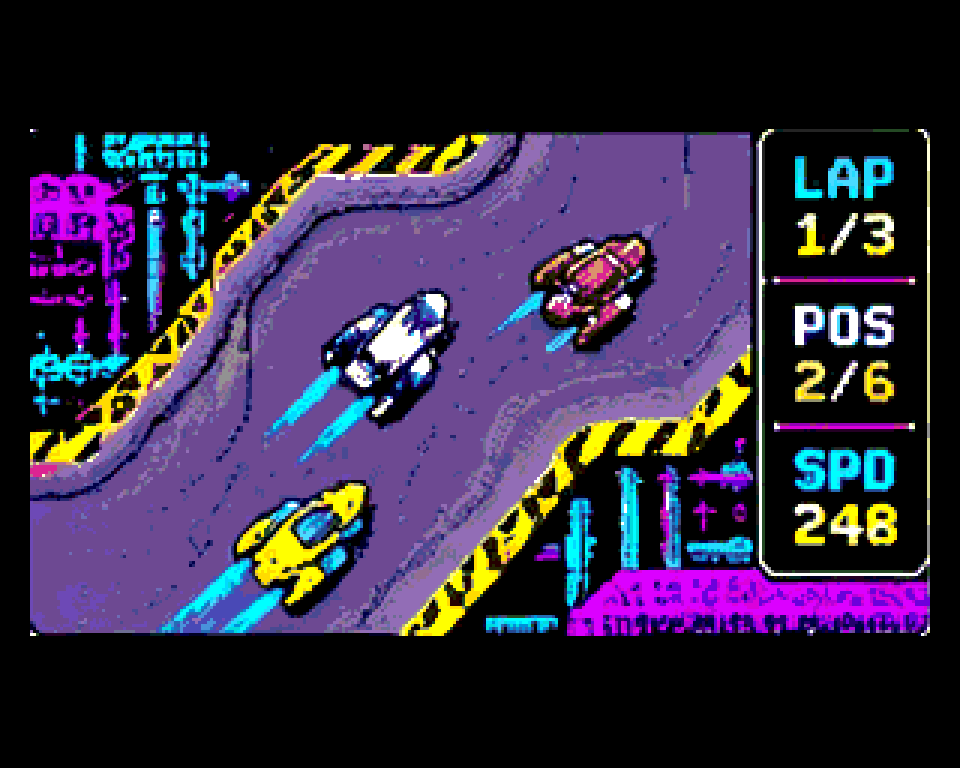
Hovercraft racing
shipControl scrollingControl uiControl audioControl
Carry speed into a bend and cross its checkpoints in order. The game owns grip, collisions, lap order and finishing position.
shipControl’s proposed thrust and turning could move each craft. scrollingControl could follow the player along the circuit. uiControl would display speed and lap position from BASIC, while audioControl could vary engine cues as speed changes. That allows another course to reuse the controls and instruments.
A circuit adds problems an endless runner can avoid. Cornering feel, race AI and a stable camera at speed all need prototypes. The perspective in the illustration would require a game-specific renderer.
Top-down adventures and RPGs
playerControl V2 is planned to include a top-down mode with configurable four-way or eight-way movement. In that mode, platform-specific gravity, jumping and ladder behaviour would be disabled or replaced by the movement rules appropriate to the game. Diagonal speed needs normalisation so that moving across two axes does not become an unintended sprint.
scrollingControl could supply the world, terrain regions and camera. enemyControl could eventually handle patrols or pursuit, while speechControl might present a line selected by BASIC after an interaction. uiControl could display inventory, energy or a dialogue panel using values owned by the game.
An event example is opening a chest. The movement service can report that the player overlaps or interacts with it; BASIC checks whether it is locked, updates the inventory and then asks the interface, audio or speech services to present the result. The planned interaction and RPG movement features are not part of the hardware-tested V1.0 platform baseline.
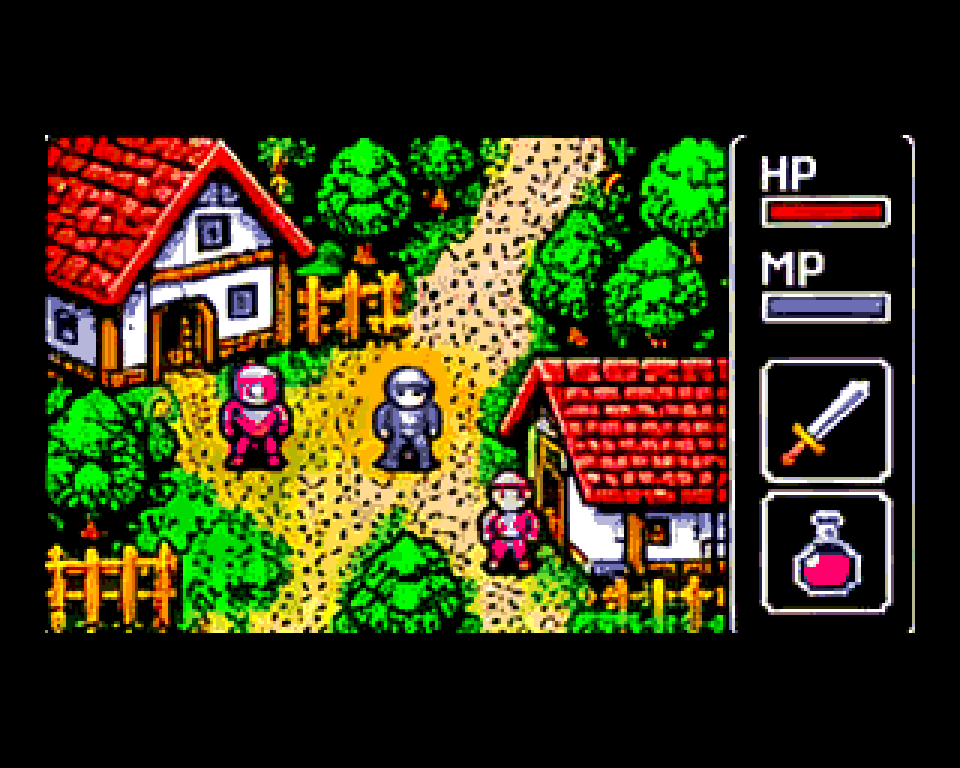
Top-down action RPG
playerControl scrollingControl uiControl audioControl
Approach a villager, choose an item and use a potion. BASIC decides whether the encounter opens a conversation and how much health the potion restores.
A proposed top-down mode in playerControl would move the hero in world coordinates. scrollingControl would follow that position. uiControl would display the inventory and health supplied by BASIC, and audioControl could acknowledge a successful action. The interface and sound would respond to the same committed change.
Top-down movement belongs to playerControl V2. Inventory rules, dialogue and combat are game code. The complete four-driver interaction still needs a hardware test.
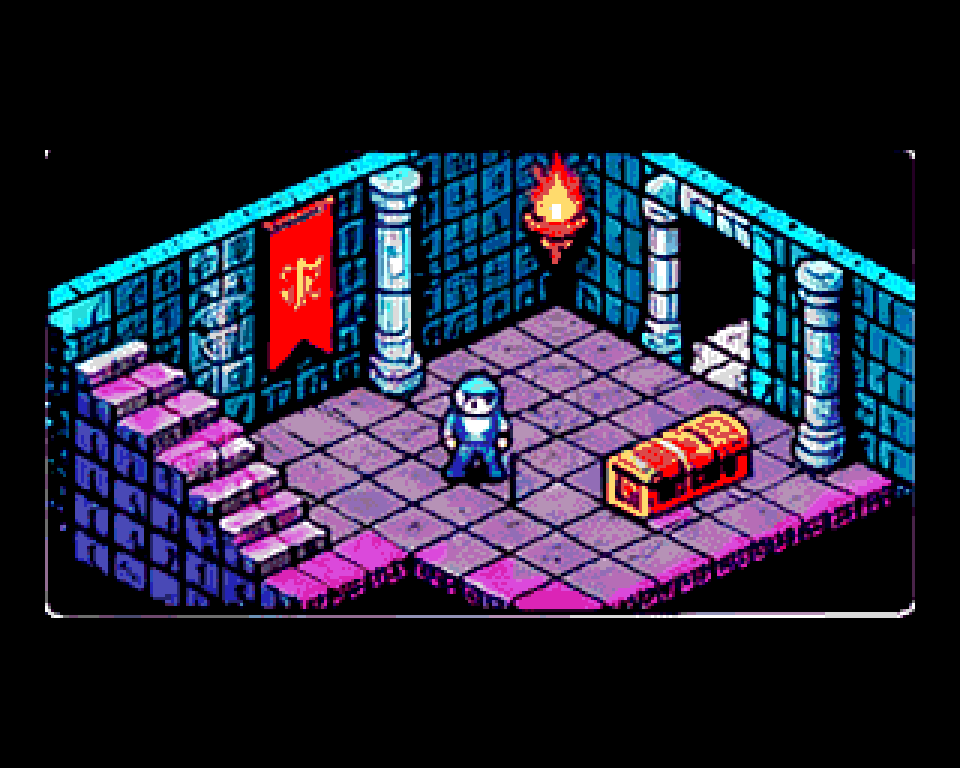
Isometric adventure
playerControl scrollingControl uiControl audioControl
Cross the room, step up to the chest and open it from the correct tile. The screen shows a diamond-shaped floor, but the game can still track positions on an ordinary grid.
playerControl would interpret movement on that grid. scrollingControl could follow the explorer, uiControl could show what the chest contains, and audioControl could play the latch once BASIC has awarded the item. The same inventory logic can serve a village RPG and a room seen from this angle.
BASIC or a game renderer must project the grid, resolve elevation and draw characters in the correct depth order. The scrolling prototype’s flat tilemap does not establish an isometric renderer.
Arena survival games
An arena survival game needs several actors and a high rate of repeated events. Planned playerControl V2 support for up to four independently configured players could provide local movement. enemyControl would need to manage groups of attackers, and particleControl and audioControl could handle selected responses without being asked to implement the survival rules.
BASIC remains the authority for waves, upgrades, health, score and the conditions for victory or defeat. If enemyControl reports contact and playerControl reports knockback, the game decides whether the contact causes damage before updating the interface. That decision should happen once even if several presentation services respond.
Resource use is especially important here. Several drivers that pass individual demonstrations may compete for time, memory or hardware resources when many actors and effects are active. The combination needs its own measurements and failure behaviour; individual milestones cannot be added together as proof.
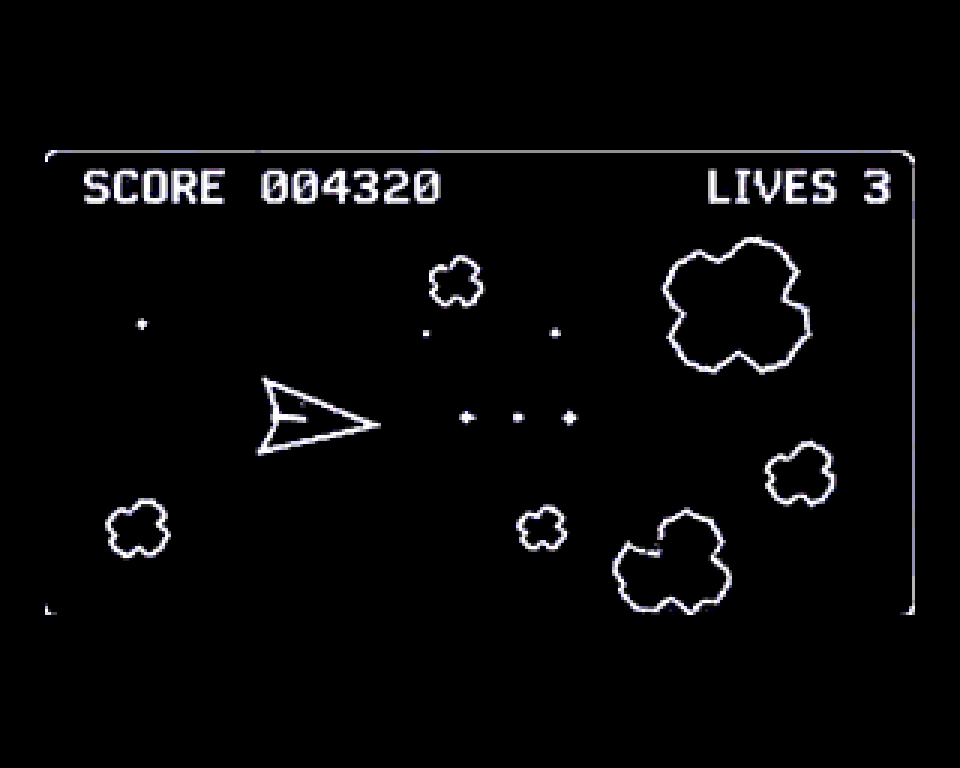
Asteroids-style arena shooter
shipControl vectorControl particleControl audioControl
Rotate, thrust, coast and fire inside a wrapping arena. BASIC decides whether a rock splits, which fragments can cause damage and how many points a hit earns.
shipControl would own flight and accepted shots. vectorControl would draw ship and asteroid outlines. particleControl could give the split a short-lived debris cloud and audioControl could give thrust and impacts distinct sounds. The visible fragments can fade independently of the rocks used for collision.
The game owns wrapping and the collision model. Vector and particle rendering together with several rocks on screen will need a measured frame budget.
Puzzle games
Puzzle games often need fewer continuous systems and more exact state changes. A single-screen puzzle could use a movement service for consistent input and collision whilst BASIC owns the board, legal moves, switches, scoring and completion rule. A scrolling puzzle could later add world information without changing who decides whether a move is allowed.
uiControl could present a move counter or contextual panel, and audioControl could play a confirmation selected by the game. particleControl might mark a solved route. The event chain should follow the rule: the movement or interaction is reported, BASIC validates and commits the puzzle state, then optional services present the accepted result.
This genre is a useful reminder that more drivers are not automatically better. A small BASIC routine may be clearer than a general service for a one-off puzzle rule. Reuse is valuable when the boundary is stable, not when it turns every local decision into an interface.
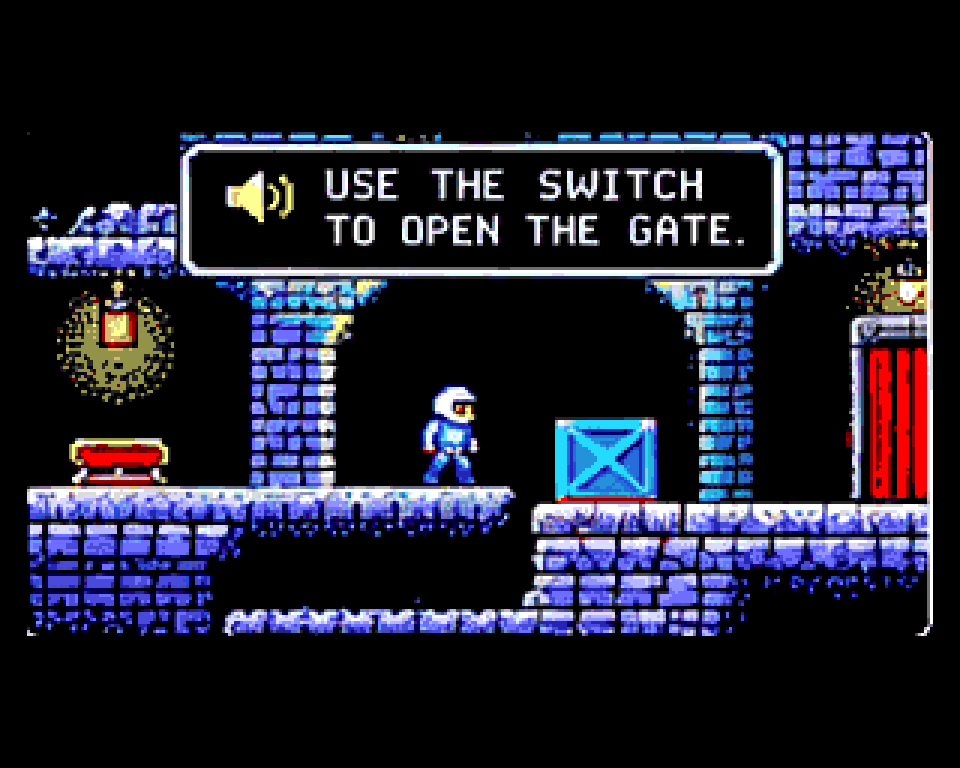
Puzzle-platform adventure
playerControl scrollingControl uiControl speechControl
Move the crate, reach a switch and open the gate. BASIC checks the switch state and chooses whether the player needs a hint.
playerControl would move the character among the platforms. scrollingControl would reveal the next part of the room. uiControl could display the chosen hint while speechControl speaks it. Both use the same text, so the puzzle can be solved with the sound turned down.
The released movement driver covers platform traversal. Crate rules, switches and gate persistence belong to the game. Spoken guidance still needs integration with the interface and room changes.
Turn-based strategy
A puzzle and a strategy game both need to validate a move before presenting its result. A tactics game adds a changing viewpoint. Panning across the battlefield to inspect a distant unit must leave the selected unit, its available moves and the turn order intact.
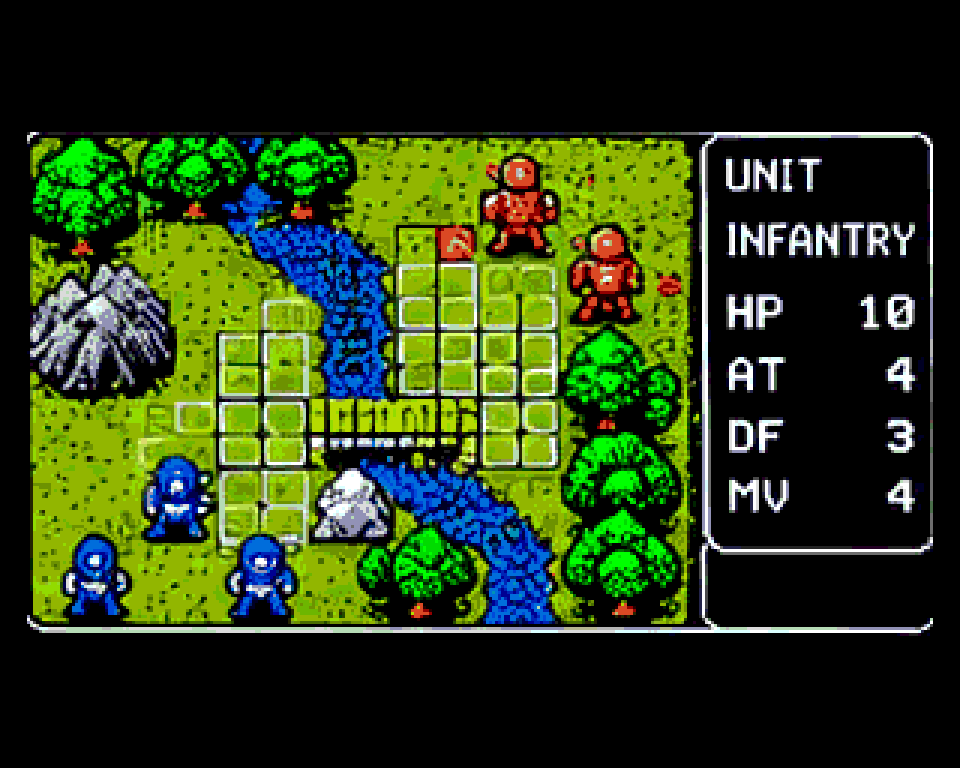
Tactical strategy
scrollingControl uiControl audioControl particleControl
Select an infantry unit, inspect its range and move it across the bridge. BASIC calculates legal squares, spends movement points and resolves attacks in turn order.
scrollingControl would pan the battlefield. uiControl would present the selected unit and its orders. audioControl could acknowledge a confirmed move, and particleControl could mark an impact. The game can wait for those effects or skip them without changing the turn result.
Pathfinding, line of sight and the turn system need game code. Selection overlays and particle effects would need testing against the scrolling tilemap.
Drawing and changing a world
A wireframe corridor and a destructible hillside both use lines, but their world models need different answers. The corridor asks which edges can be seen from the camera. The hillside asks where a shell hit and which ground will still be there next turn. In both cases the game supplies the geometry that the drawing service receives.
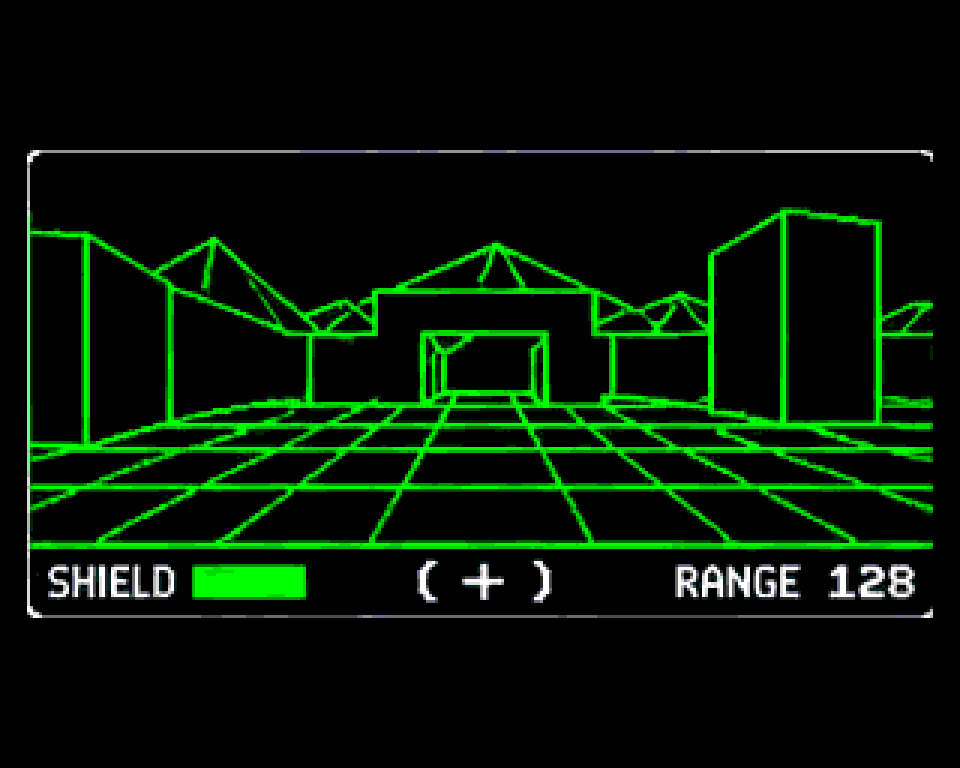
3D wireframe exploration
vectorControl scrollingControl uiControl audioControl
Turn down a corridor and approach a distant doorway. BASIC keeps the world geometry and player position, projects visible edges and clips them at the near plane.
vectorControl would draw the resulting lines. scrollingControl could supply shared world bounds and camera position. uiControl could show shield and range, and audioControl could cue the opening door. Keeping camera data separate lets the world model and instrument panel agree about distance.
The tested scrolling engine displays a 2D tilemap. Perspective, clipping, hidden lines and the number of segments that can be redrawn per frame need separate design and measurement.
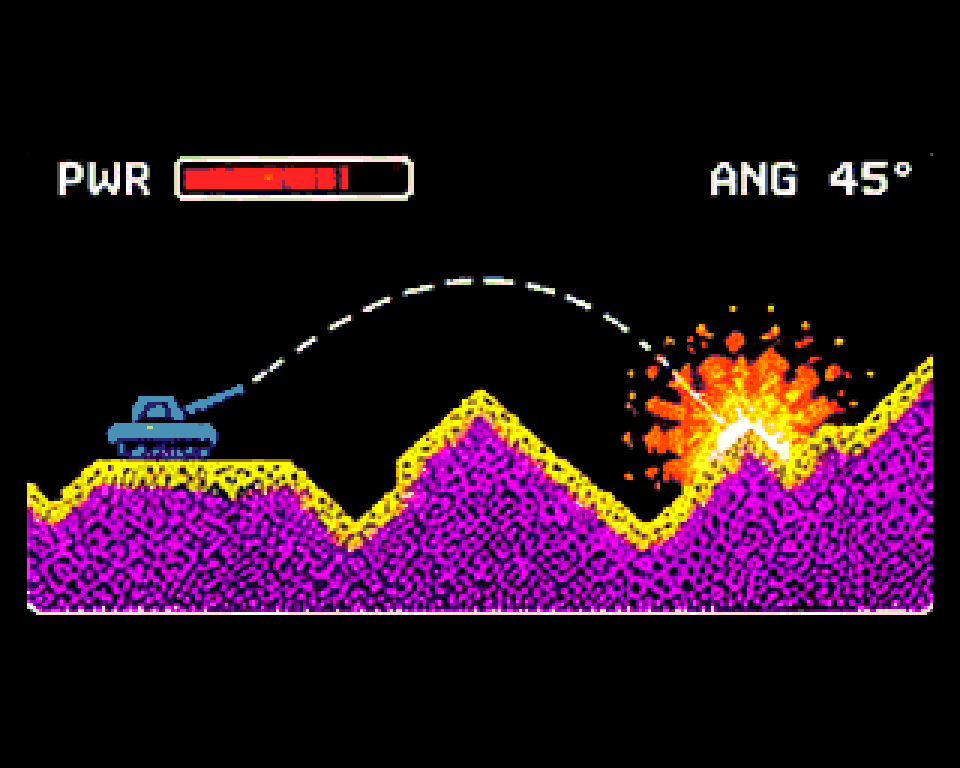
Physics-based destruction
vectorControl particleControl scrollingControl audioControl
Set the angle and power, fire, then see whether the altered hillside leaves a clear shot. BASIC integrates the trajectory, finds the impact and changes the terrain used for the next turn.
vectorControl could draw terrain outlines and the aiming arc. particleControl could give an impact its short spray of debris, scrollingControl could follow a distant shell, and audioControl could mark launch and impact. A visual fragment can disappear while a crater remains part of the game world.
The combination supplies no general physics or destructible-terrain engine. The game must keep its collision model and redrawn outline in step, then measure the cost of a large blast.
Prove combinations one connection at a time
The eventual strength of the ecosystem should be optional cooperation. A game can use playerControl with its own sound code, audioControl without scrolling, or a future shipControl with only the services its design needs. Dependencies and compatible versions must be explicit when a connection becomes real.
The route to that confidence is a set of small source-backed examples. First prove startup, one shared event and clean shutdown. Then repeat the individual driver baselines. Add the next service only when the ownership of the previous connection is clear. Test pauses, level changes, death, restart and the absence or failure of an optional component.
Until those examples have passed, the combinations in this article remain proposed architectures. That distinction is not a weakness. It is the information a BASIC developer needs in order to know what can be used today, what has evidence behind it and what the driver projects are working towards.